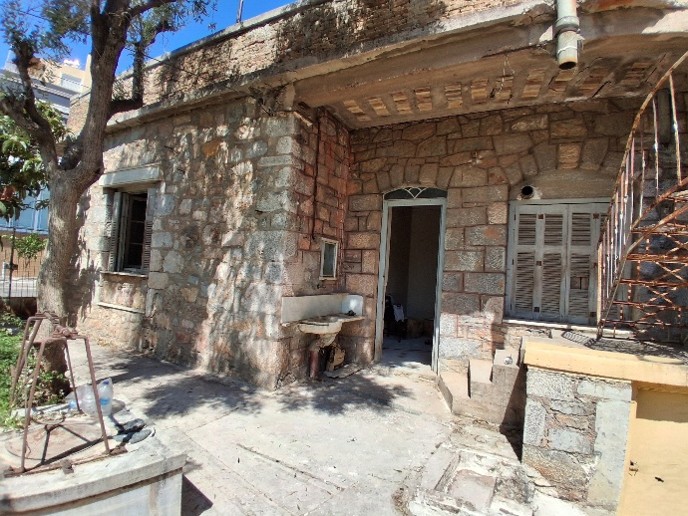
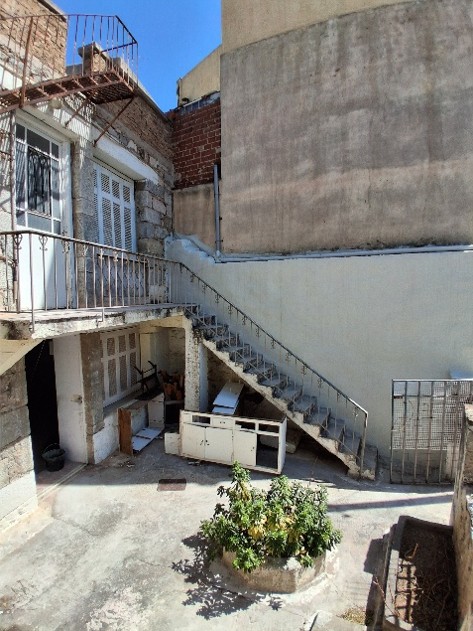
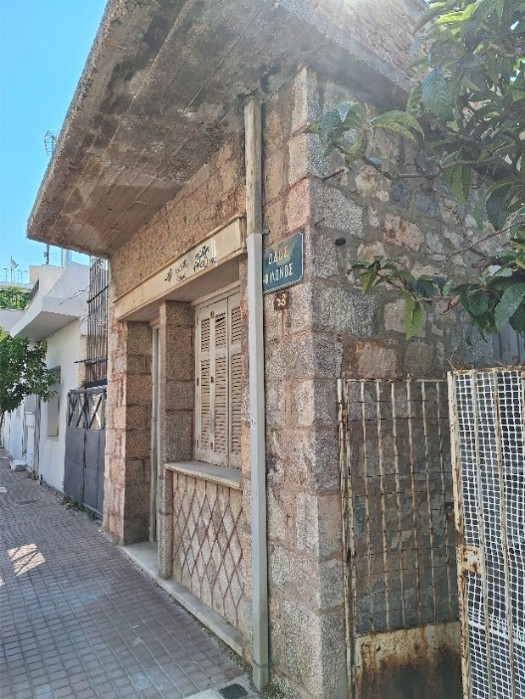
STRUCTURAL MAPPING OF LOAD-BEARING STRUCTURAL SYSTEM, ON-SITE & LABORATORY TESTING IN A SINGLE-STORY MASONRY AND REINFORCED CONCRETE BUILDING IN DAPHNI, ATTICA REGION (2025)
Project Details:
Owner: Private Individual
Client / Contracting Authority: KVADUM Consulting Engineers
Inspection: CK Structural Engineering Consultants
Study / Project Phase: Recording of Load-Bearing Structure, On-Site & Laboratory Testing
Study Period: 2025
Study Stage: Completed
Project Description:
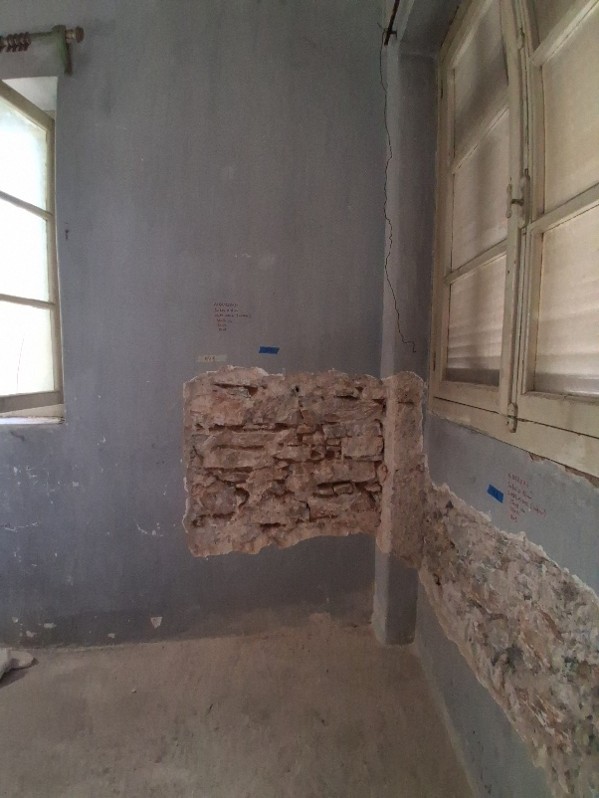
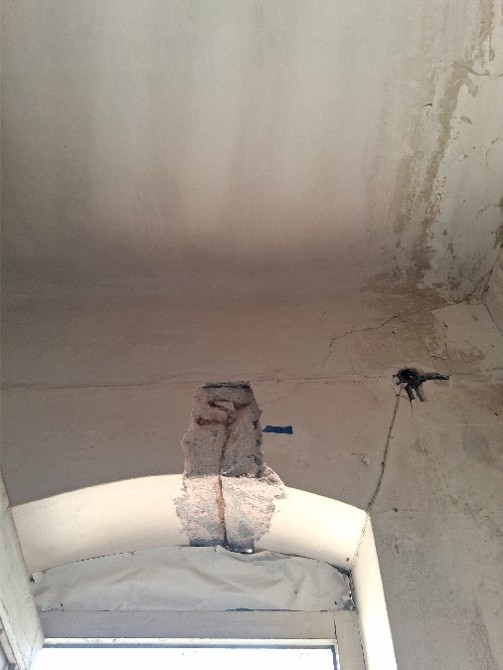
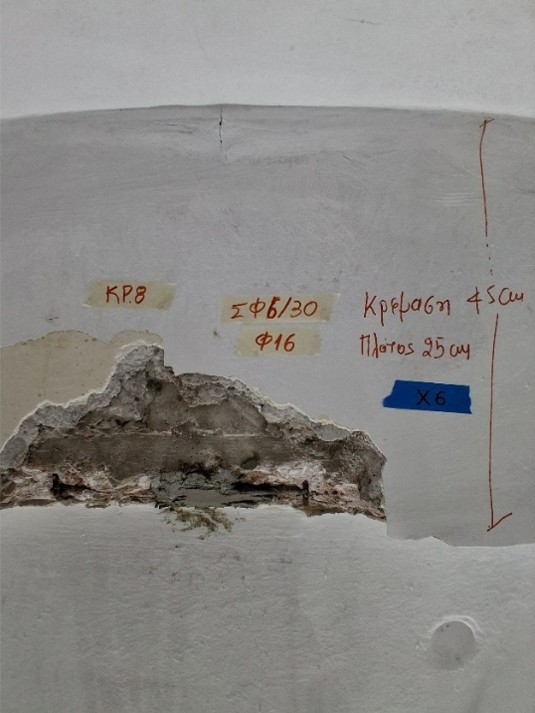
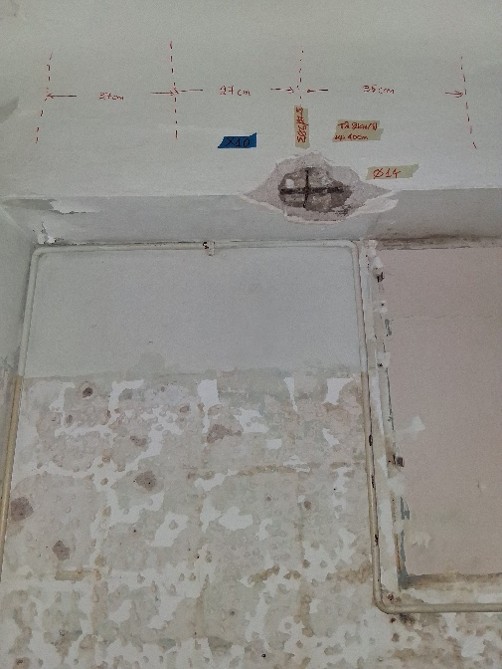
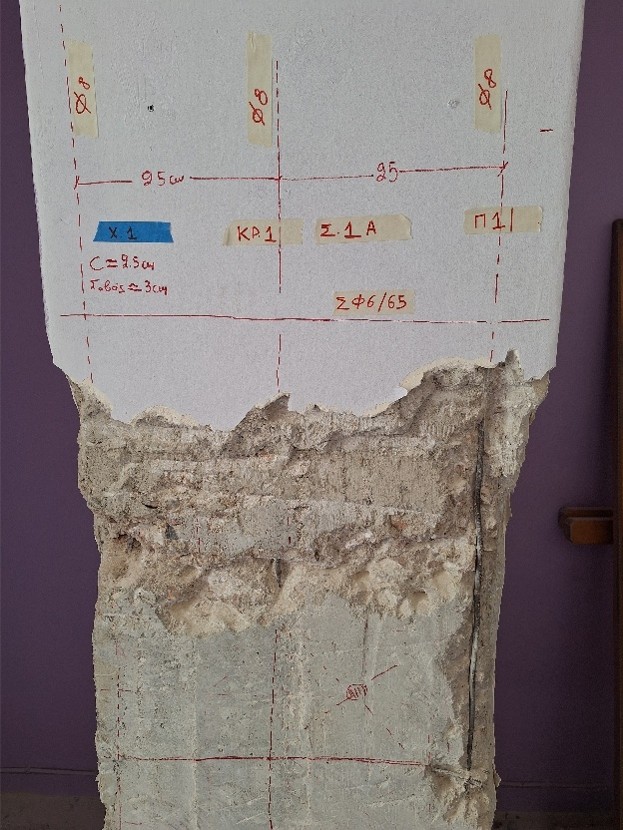
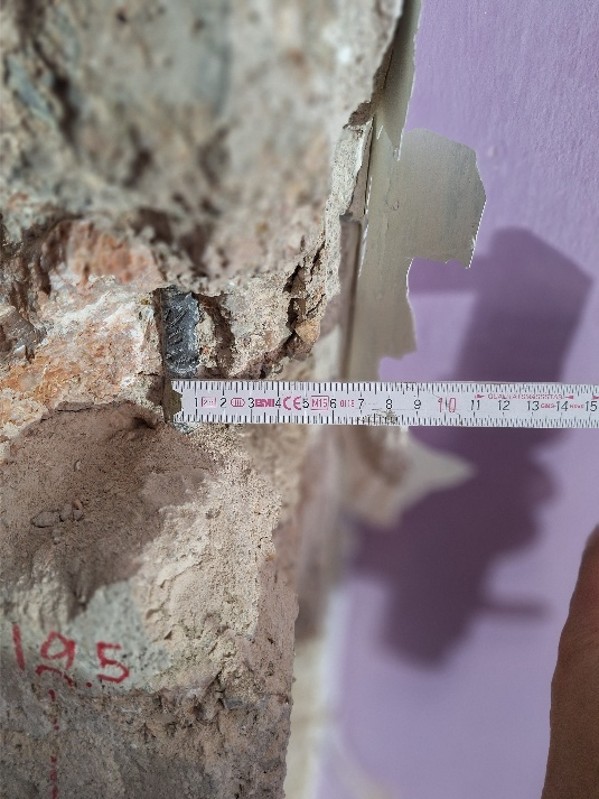
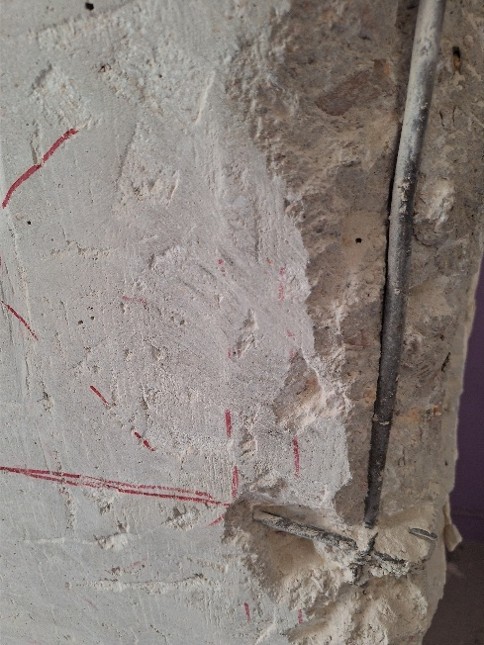
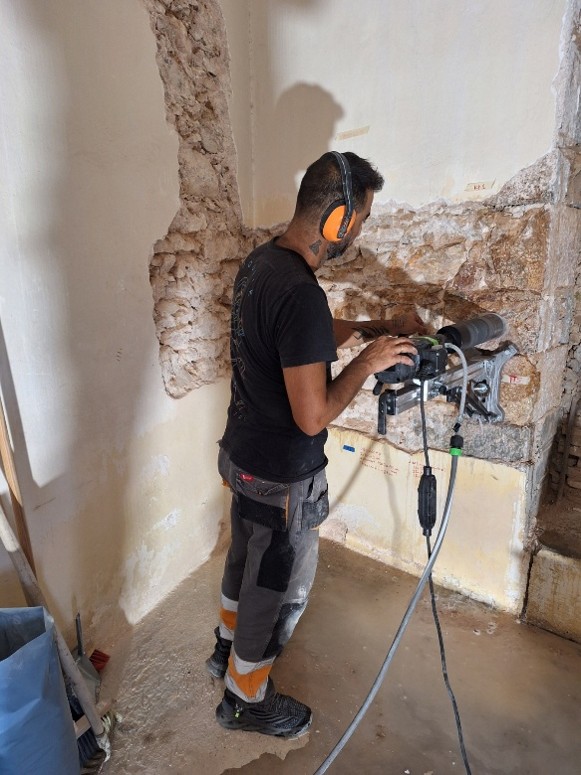
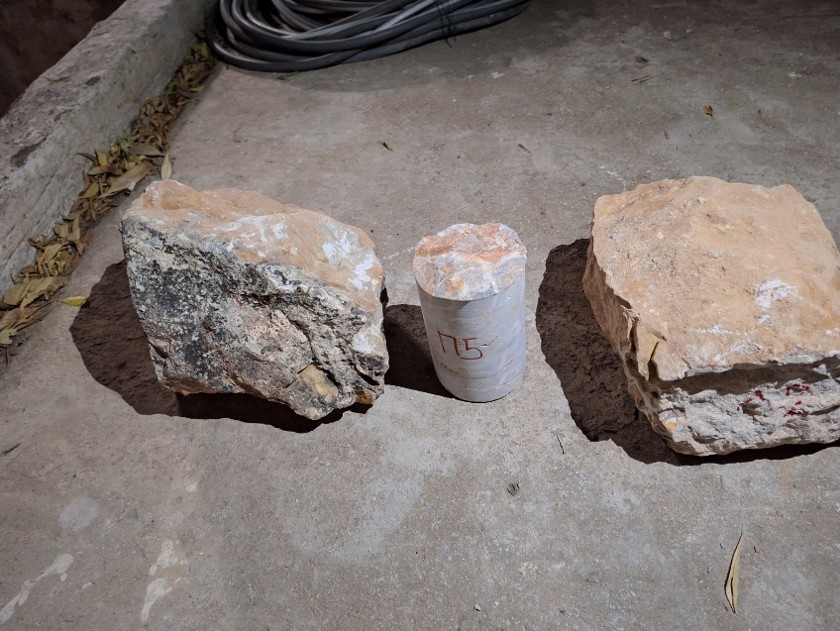
The scope of our work included the performance of on-site inspections and laboratory testing to determine the mechanical properties of the structural materials of a single-storey building with a basement, constructed using a mixed structural system of load-bearing masonry and reinforced concrete. The building is used as a residence. Core samples and rebound hammer tests were carried out, in accordance with the provisions of the Greek Code for Structural Interventions (KAN.EPE.) and KADET, in order to determine the mechanical properties of the reinforced concrete members, as well as those of the masonry units and mortar joints. The compressive strength of the brick units and stone masonry, as well as the flexural strength of the mortar samples, was determined through testing at a specialised laboratory. Exploratory openings were formed in reinforced concrete members in order to verify the reinforcement details, as well as at masonry units to determine the load-bearing system, in the required number specified by KAN.EPE. and KADET, respectively. Reinforcement scans were also performed to identify the reinforcement arrangement of the reinforced concrete members. Exploratory openings were carried out at locations where the configuration of the load-bearing structure was not visible, in order to establish an accurate understanding of the building’s structural system. The project was completed with the submission of a detailed report presenting the laboratory test results, the structural survey findings, the macroscopic observations, and the recorded pathologies of the building.